Source rack mount ups for Industry, Communication, and Lighting
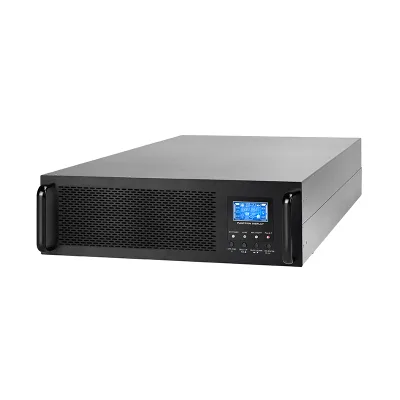
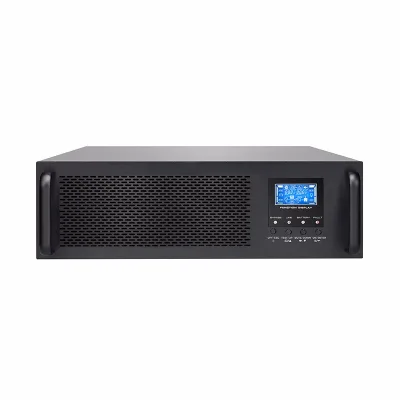
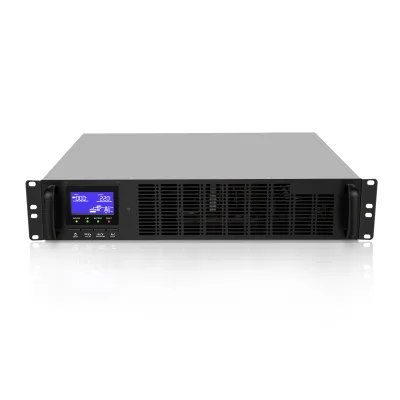
Find 30 verified rack mount ups options with sine wave output and single-phase capabilities. Buyers can compare models like DPR 2K and GR11 6KVAL, noting features such as 90% efficiency, 1-year warranty, and various battery types for industrial and communication applications.
Key considerations
Products List






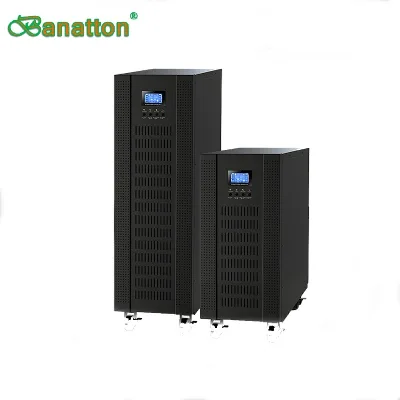


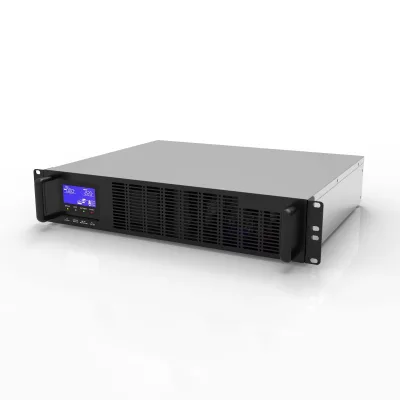


Comprehensive Sourcing Guide
Strategic Sourcing Guide for Rack Mount UPS Systems
Understanding Technical Specifications and Core Architecture
When sourcing rack mount Uninterruptible Power Supply (UPS) systems, the primary objective is to identify equipment that aligns with specific infrastructure requirements while ensuring high availability for critical loads. The market offers a diverse range of configurations, but the most prevalent category for data centers and industrial applications is the On-line Double Conversion type. This architecture ensures that the load is always powered by the inverter, providing a clean, stable output regardless of input fluctuations. A critical technical observation in the current supply landscape is the prevalence of Single Phase systems, which are typically designed for smaller to medium-sized rack installations where three-phase power is not yet deployed or required.
Voltage stability is a paramount concern for sensitive electronic equipment. Buyers should look for units that specify a standard output voltage of 220V, with high-precision models offering a tolerance of 220VAC±1%. This tight regulation is essential for preventing equipment damage caused by voltage sags or surges. Furthermore, the waveform quality must be verified; the most reliable systems deliver a Pure Sine Wave output. This is distinct from simulated sine waves and is crucial for powering inductive loads, network switches, and servers that rely on precise power cycling. The Crest Factor, which indicates the ability of the UPS to handle peak loads, is another vital metric. A standard specification of 3:1 suggests the unit can handle typical non-linear loads found in modern IT environments without tripping.
Efficiency and power factor are the final pillars of technical evaluation. Modern units often boast an efficiency rating of 90%, which significantly reduces energy costs and heat generation over the lifespan of the device. The Power Factor (PF) is equally important; a PF of 0.99 indicates near-perfect utilization of the supplied power, whereas a PF of 0.9 is also common in robust industrial models. Buyers must ensure the DC voltage matches the internal battery configuration, with some high-capacity models operating at 1920V DC to support larger loads. The physical dimensions of the unit, such as the standard 41042888 mm or 36043888 mm profiles, must be compatible with the available rack space, often measured in standard rack units (U).
Compliance, Certification, and Safety Standards
While specific certification marks are not universally listed for every product in the general market, buyers must rigorously verify that the equipment complies with international safety and electromagnetic compatibility standards. The supply chain for rack mount UPS systems is heavily concentrated in manufacturing hubs such as Guangdong and Guangzhou in China. Products originating from these regions often adhere to specific national standards, but for global deployment, international compliance is non-negotiable.
Safety standards typically cover electrical insulation, fire resistance, and protection against short circuits. The observed protection mechanisms in the market include Overvoltage and Short Circuit protection, which are fundamental requirements for any reliable UPS. However, buyers should not assume these features are present without explicit confirmation in the product datasheet. The presence of an LCD display is a common feature that aids in monitoring system status, but the underlying firmware and safety logic must be validated against recognized standards.
When evaluating compliance, the focus should be on the manufacturer's ability to provide test reports from accredited laboratories. The physical packaging, often described as a Standard Export Package or Box, should also meet international shipping standards to prevent damage during transit. The "Standard Export Package" implies a level of robustness designed for long-distance logistics, but the internal securing of the unit is equally critical. Buyers should request documentation confirming that the product meets the relevant IEC (International Electrotechnical Commission) standards for safety and EMC (Electromagnetic Compatibility) to ensure the device will not interfere with other sensitive equipment in the facility.
Cost Drivers and Pricing Variables
The pricing of rack mount UPS systems is influenced by a complex interplay of technical specifications, capacity, and brand positioning. The observed price range in the current market is extensive, spanning from approximately $1 to over $4,200. This vast disparity is not indicative of quality variance alone but reflects differences in capacity, technology, and included features. A unit priced at the lower end of the spectrum is likely a smaller, single-phase model with a lower kVA rating, such as the 2kVA Rack UPS models observed. Conversely, the higher price points correspond to larger capacity units, such as the 6kVA models, or systems with advanced features like extended battery packs and sophisticated monitoring software.
Capacity is the most significant cost driver. The transition from small-type to medium-type output capacities directly impacts the cost of internal components, particularly the transformer and the battery bank. The number of batteries required is a direct function of the desired backup time. For instance, a standard machine configuration might utilize four pieces of lead-acid batteries, while a long-acting machine would require a significantly larger bank, increasing both the unit cost and the weight. The weight of the unit, observed at 19kg for certain models, is a proxy for the internal component mass and, consequently, the cost.
Additional cost factors include the level of customization available. Many suppliers offer customization options, which can alter the price based on specific voltage requirements, connector types, or branding. The warranty period is another variable; a standard one-year warranty is common, but extended warranty options or premium service packages can increase the total cost of ownership. Buyers should also consider the shipping method, as sea freight is the standard for international procurement, and the associated logistics costs can vary based on the unit's dimensions and weight.
Typical Applications and Deployment Scenarios
Rack mount UPS systems are designed for environments where space is at a premium and power reliability is critical. The primary application sectors identified in the market include Industry and Communication. In industrial settings, these units protect PLCs, sensors, and control systems from power interruptions that could halt production lines or damage machinery. The Single Phase configuration is particularly suitable for smaller industrial facilities or specific machine lines that do not require three-phase power.
In the communication sector, rack mount UPS units are essential for protecting routers, switches, and base station equipment. The Pure Sine Wave output is a non-negotiable requirement here, as communication equipment often contains sensitive power supplies that can be damaged by distorted waveforms. The Centralized Model equipment mode suggests that these units are often deployed in server rooms or data centers where a single point of power protection is preferred for a cluster of equipment.
The transfer time of 0 ms is a critical specification for applications requiring zero interruption. This feature ensures that there is no perceptible gap in power supply during a utility failure, which is vital for maintaining network uptime and preventing data loss. The ability to support sample orders allows buyers to test the system in their specific environment before committing to a large-scale deployment. This is particularly useful for verifying compatibility with existing infrastructure and ensuring that the physical dimensions fit the intended rack space.
Supplier Evaluation and Sourcing Strategy
Selecting the right supplier for rack mount UPS systems requires a thorough evaluation of their capabilities, reputation, and logistical support. The market shows a concentration of suppliers in China-Mainland, specifically in Guangdong and Guangzhou. While this offers access to a wide range of products, buyers must verify the supplier's ability to maintain consistent quality and provide after-sales support. The presence of OEM (Original Equipment Manufacturer) capabilities, as indicated by brands like SKE/OEM, suggests that suppliers can offer white-label solutions, which is beneficial for companies looking to brand the equipment as their own.
Key evaluation criteria should include the supplier's response to sample requests, their warranty terms, and their experience with international shipping. The standard warranty of 12 months is a baseline, but buyers should inquire about the process for claims and the availability of replacement parts. The charging current specifications, which can range from 1A to 6A, indicate the flexibility of the supplier's product line to accommodate different battery charging needs. A supplier that offers a range of charging currents is likely more adaptable to various battery configurations.
Logistics is another critical factor. The standard shipping method is by sea, which is cost-effective for large orders but requires careful planning for lead times. Buyers should verify the supplier's packaging standards to ensure the units arrive in pristine condition. The standard export package is a good indicator, but specific requirements for humidity control or shock protection should be discussed if the supply chain involves rough handling or long transit times.
Quality Control and Long-Term Procurement Considerations
Ensuring the long-term reliability of rack mount UPS systems requires a proactive approach to quality control and maintenance planning. The battery is often the weakest link in a UPS system, with a typical lifespan of 3-5 years. Buyers should prioritize suppliers that use high-quality Lead Acid Batteries and offer clear guidelines for battery replacement. The observation of specific battery numbers, such as 4 pieces, helps in calculating the total cost of ownership, as batteries will need to be replaced periodically.
Quality control should extend beyond the initial purchase. Buyers should implement a regular inspection schedule to check the health of the batteries, the cleanliness of the filters, and the integrity of the connections. The LCD display is a valuable tool for monitoring these parameters, but it should be complemented by manual checks. The efficiency rating of 90% is a strong indicator of a well-designed system, but real-world efficiency can vary based on the load profile and ambient temperature.
Long-term procurement considerations also include the availability of spare parts and the supplier's commitment to product lifecycle management. As technology evolves, older models may become obsolete, and buyers should ensure that the supplier can support the system for its entire operational life. The customization options available can also play a role in future-proofing the investment, allowing for upgrades or modifications as the facility's power needs change.
Comparison of Key Product Attributes
To assist buyers in making informed decisions, the following table summarizes the key attributes observed in the market for rack mount UPS systems. This comparison highlights the variability in specifications and helps identify the most suitable options for different application scenarios.
| Attribute | Standard Observation | High-Performance Observation | Application Context |
|---|---|---|---|
| Type | On-line | On-line | Critical Load Protection |
| Phase | Single Phase | Single Phase | Small to Medium Rack |
| Output Voltage | 220V | 220VAC±1% | Sensitive Electronics |
| Waveform | Pure Sine Wave | Pure Sine Wave | Inductive/Non-linear Loads |
| Efficiency | 90% | 90% | Energy Savings |
| Power Factor | 0.9 | 0.99 | High Utilization |
| Battery Type | Lead Acid Battery | Lead Acid Battery | Standard Backup |
| Battery Count | 4 Pieces | Variable | Capacity Dependent |
| Transfer Time | 0 Ms | 0 Ms | Zero Interruption |
| Warranty | 1 Year / 12 Months | 1 Year / 12 Months | Standard Coverage |
| Origin | China | China-Mainland | Global Supply Chain |
| Model Series | DPR, DPLIT, GR11 | DPR 2K, GR11 6KVAL | Capacity Specific |
This table underscores the importance of matching specific technical requirements with the available product attributes. Buyers should use this framework to filter options and ensure that the selected UPS system meets the rigorous demands of their specific application. By focusing on these core attributes, procurement teams can navigate the complex market landscape and secure reliable power solutions that support their operational continuity.
FAQs
What output waveform does the rack mount UPS provide?
The system delivers a pure sine wave output, which is essential for sensitive equipment. This waveform ensures compatibility with inductive loads and network switches without causing damage from distorted power signals.
How long is the warranty period for these units?
The standard warranty period is one year or 12 months. This coverage applies to the unit's performance and includes protection against defects in materials and workmanship under normal operating conditions.
Can I customize the specifications for this UPS model?
Yes, customization is available for specific requirements. Buyers can request adjustments to voltage, connectors, or branding to align with their unique infrastructure needs and operational standards.
What is the typical transfer time for power switching?
The transfer time is 0 milliseconds for seamless switching. This ensures zero interruption to the load during utility failures, which is critical for maintaining uptime in communication and industrial applications.
Which battery type is used in the standard configuration?
The unit utilizes lead acid batteries as the standard power source. A typical configuration includes four pieces of these batteries to support the required backup time for the specific model.
How is the product packaged for international shipping?
The product is shipped in a standard export package or a box. This packaging is designed to meet international logistics standards and protect the unit from damage during sea freight transit.